
Kala Jadu, or black magic, is a term used to express magic practices focus at causing harm or misfortune through the manipulation of dark forces. It’s believed to involve harnessing evil magic powers for the purpose of negatively impacting others, covering a range from causing illness and sleep deprivation to more severe outcomes like death. The practice is often driven by negative human emotions such as jealousy, greed, and vengeance, making it a feared concept across different societies and cultures.
Moreover, it touches on the modern-day-day relevance of Kala Jadu and explores the Mechanisms for protection against such practices are also discussed, providing readers with a comprehensive understanding of this dark and powerful force.
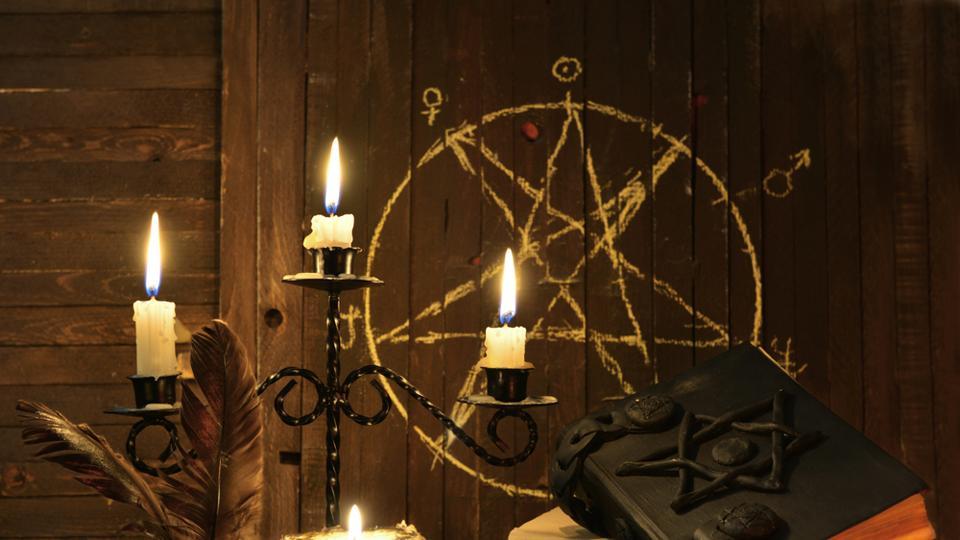
Table of Contents
History and Origins of Kala Jadu
Tracing the roots of Kala Jadu, or black magic, reveals a complex history intertwined with cultural, religious, and societal evolutions:
Medieval Beginnings:
Originating in Medieval European magic and witchcraft, black magic has been a part of human history for centuries, reflecting the darker aspects of human belief and practice The term nigromancer was used between the 12th and 15th centuries to describe individuals skilled in these dark arts, emphasizing the long-standing fascination and fear associated with such
practices .
Cultural Practices:
In India, the practice of occult and Kala Jadu was almost a familial tradition, with nearly every family having access to a witch doctor or an occult practitioner for addressing health and psychological issues. Kerala is noted for having the most sophisticated occult practices, showcasing the regional variations and the depth of belief in the power of Kala Jadu within the country. This is followed closely by practices in West Bengal, some northeastern states, and parts of Andhra Pradesh and Orissa, highlighting the widespread nature of these beliefs across different cultures within India.
Evolution and Perception:
Black magic is often seen through the lens of the left-hand path, a dichotomy that contrasts it with white magic, which is considered benevolent. This distinction underscores the moral judgments often associated with the practice of black magic ,he ethical considerations surrounding its use.
The origins of these practices can be traced back to primitive, ritualistic worship of spirits, aimed at invoking these spirits for beneficial outcomes, despite the contemporary association of black magic with malintent .
During the Renaissance, many magical practices were deemed evil or irreligious, leading to a shift towards natural magic. This period marked a significant evolution in the perception and practice of magical arts, as thinkers and intellectuals sought to explore esoteric and ritualistic studies without facing persecution.
Understanding the historical context and regional variations of Kala Jadu not only sheds light on its complex nature but also helps demystify some of the fears and stereotypes associated with it.
The practice’s evolution from a form of communication to a subject of taboo in modern times reflects changing societal attitudes towards the occult.
Understanding Kala Jadu
In the realm of the supernatural, Kala Jadu, or black magic, is distinguished by its intent and the energies it manipulates. Unlike its counterpart, white magic, which is often associated with
healing and benevolent purposes, black magic is steeped in the intent to cause harm or manipulate outcomes in one’s favor through darker means:
Intent vs. Practice:
Modern interpretations of magic have clarified the distinction between white and black magic, focusing primarily on the practitioner’s intent rather than the methods employed. This delineation has led to a clearer understanding within spiritual communities, particularly among Wiccans, where those with harmful intentions find little acceptance.
Practices and Susceptibility:
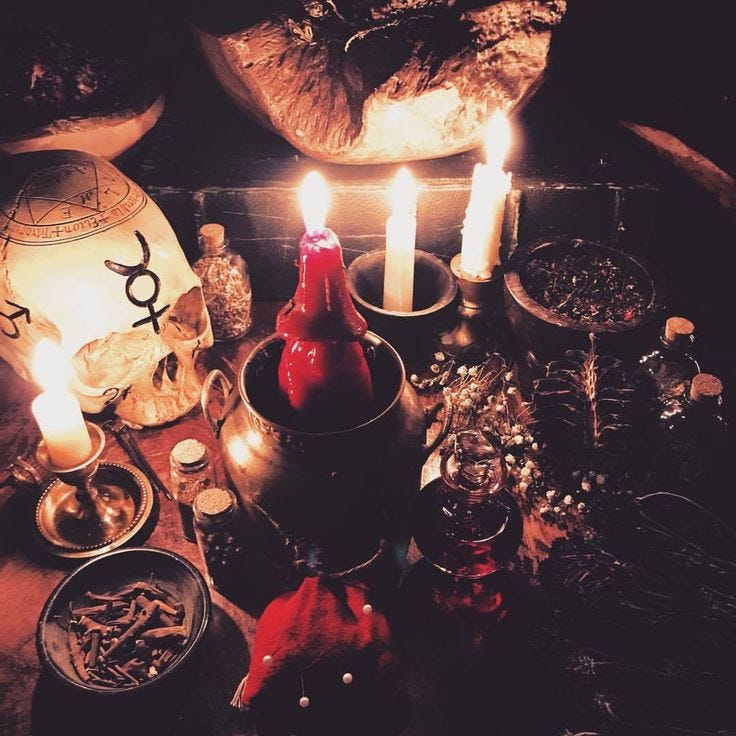
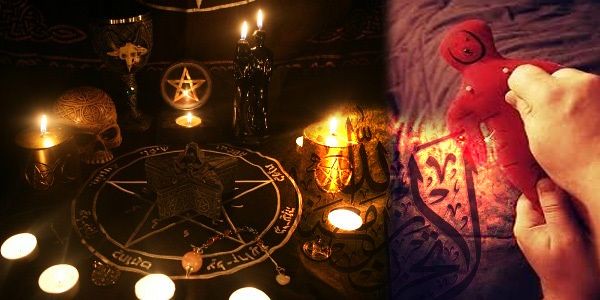
The methods of practicing Kala Jadu vary, including the use of voodoo dolls, contamination of food or drink, and the manipulation of personal belongings to establish a psychic connection with the target. Such practices underscore the belief that individuals with certain astrological predispositions, such as weak horoscopes or malefic planetary positions, are more vulnerable to the effects of black magic.
Cultural and Psychological Aspects:
Across different cultures, Kala Jadu is not only a manifestation of supernatural beliefs but also a reflection of societal issues such as jealousy, greed, and frustration. Interestingly, while a significant portion of its impact is attributed to the psychological effects on the victim, including fear and symbolism driving individuals to despair, there
remains a belief in a tangible component of black magic capable of causing real harm.
Understanding Kala Jadu calls for a complete study each its practices and the cultural contexts wherein it flourishes. From the mental battle it wages on its victims to the religious defenses hired with the aid of individuals who consider themselves centered, Kala Jadu stays a complicated phenomenon that blurs the traces among the fabric and the magical.
Common Practices and Rituals
In exploring the commonplace practices and rituals of Kala Jadu or black magic, it’s important to apprehend the intricate tactics and the specific intentions behind each act. The practices vary drastically, however a number of the most prevalent encompass:
Invocation of Spirits:
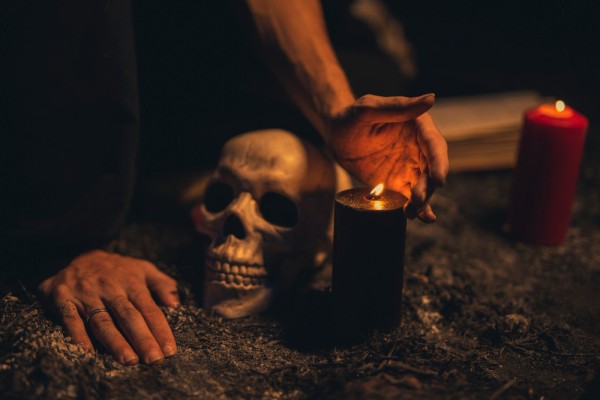
Central to many black magic rituals is the invocation of demons or spirits to carry out the practitioner’s bidding. This exercise underscores the notion in effective, unseen forces that can be harnessed for various purposes, starting from damage to safety.
Symptoms of Black Magic Influence:
Individuals believed to be under the influence of black magic may exhibit a range of symptoms, including:
Disturbances in sleep patterns and experiencing bad dreams, such as falling from heights . Physical changes like a darkening of the complexion, headaches, and displaying eccentric behavior . Psychological effects manifesting as baseless fears, a reversal of fortune, and confusion, significantly impacting the victim’s life.
Astrological and Ritualistic Remedies:
To counteract the effects of black magic, several remedies are suggested, often rooted in astrological beliefs and practices. These include:
Tying a black thread with seven knots around one’s wrist or neck.
Donating black clothes to appease certain planetary influences .
Avoiding alcohol and performing specific rituals on Amavasya (no moon night) to cleanse negative energies.
Chanting mantras like ‘Om Ram Rahave Namah’ and ‘Om Kem Ketave Namah’ to keep the malefic effects of Rahu and Ketu at bay.
Performing spiritual pujas such as Chaandi Paath, Kaal Bhairav puja, and Durga Saptashi pooja at home for overarching protection . Additionally, the presence of specific items like the ‘Bhairav Yantra’ in one’s home is believed to strengthen the aura against black magic attacks, while consulting with an experienced astrologer can provide tailored solutions to address specific vulnerabilities in one’s astrological chart . For those experiencing severe symptoms, immediate astrological consultation is recommended.
In summary, the common practices and rituals of Kala Jadu are deeply intertwined with cultural beliefs and astrological practices. The remedies and protective measures highlight a blend of ancient wisdom and spiritual practices aimed at safeguarding individuals from the adverse effects of black magic.
Kala Jadu in Modern Times
In the contemporary landscape, the portrayal and perception of Kala Jadu have evolved, finding their way into mainstream media and professional services. Here’s a closer look at how Kala Jadu is manifested in modern times:
Mainstream Media Representation:
“Yehh Jadu Hai Jinn Ka!” is a prime example of how Kala Jadu has been woven into the fabric of modern entertainment. This fantasy drama television series, which aired on Star Plus from October 14, to November 14, showcases the intrigue and mystique surrounding black magic in a narrative format, bringing the concept to living rooms across the country .
Produced by Gul Khan and Karishma Jain under 4 Lions Films, the series stars , highlighting the ongoing fascination with the supernatural and the darker aspects of magic in popular culture.
Professional Services:
The role of the Kala Jadu Specialist signifies the professionalization of black magic practices. These experts offer services aimed at harnessing the power of Kala Jadu for various purposes, often with immediate and impactful results. While the intent behind seeking such services varies, it predominantly revolves around causing harm or exerting control over others, showcasing the darker human desires that continue to fuel the practice of Kala Jadu.
Services provided by Kala Jadu Specialists can lead to severe consequences for the targeted individuals, including health issues, professional setbacks, and disruptions within families.
This highlights the potent and tangible effects that black magic is believed to wield in the modern era .
On a more positive note, the same specialists also offer remedies and support for those affected by black magic, indicating a dual role in both perpetuating and mitigating the effects of Kala Jadu. This duality underscores the complex relationship society has with black magic, oscillating between fear, fascination, and the desire for protection.
The transition of Kala Jadu into the digital age and its incorporation into leisure and professional offerings illustrate the long-lasting charm and worry related to black magic. Despite the advancements in technology and rational concept, the notion in and the practice of Kala Jadu stay deeply ingrained in sure segments of society, reflecting a juxtaposition of historical traditions and present day realities.
The Ethics of Kala Jadu
Exploring the ethical dimensions of Kala Jadu or black magic reveals a complex interaction of ethical, societal, and private effects. The exercise, whilst deeply rooted in sure cultures and traditions, carries implications that make bigger a long way past the immediate effects at the target of the spells.
Social and Legal Implications:
Practitioners of black magic may face significant social stigma, as communities often view them with suspicion and fear due to the harmful potential of their practices. Depending on the jurisdiction, there could be legal consequences for those found engaging in black magic, especially if their actions result in harm to others.
Personal Consequences for Practitioners:
The law of karma suggests that negative actions, especially those targeting innocent individuals, will eventually return to the practitioner, potentially manifesting as problems in personal relationships or marriage.
Engaging in black magic can be addictive, with practitioners experiencing negative effects similar to those of substance abuse.
This addiction can have a detrimental impact on the practitioner’s life, sometimes demanding a high price, including their wellbeing or even life . Reverse action is a concept in black magic where failed spells can backfire on the practitioner, leading to unforeseen negative consequences.
Cultural and Religious Perspectives:
The practice of Kala Jadu is not confined to any single culture, but its condemnation in religious texts like the Bible is clear, highlighting the moral objections to using black magic for personal gain or to harm others .
In some narratives, such as certain Islamic parables and movies, black magic is depicted as a path that leads away from spiritual enlightenment and towards moral decay. These memories frequently emphasize turning to spirituality, precise deeds, and prayer as means to fight the impact of black magic.
This exploration into the ethics of Kala Jadu underscores the multifaceted effect of black magic, not handiest on the ones focused however additionally at the practitioners themselves. The societal, prison, and private ramifications spotlight the dark shadow that black magic casts, prompting a deeper reflection on the moral alternatives in the back of its use.
Protection Against Kala Jadu
To fortify oneself against the influences of Kala Jadu, a blend of astrological, spiritual, and practical measures can be adopted. These remedies are rooted in ancient wisdom and have been passed down through generations, offering a shield against the dark energies associated with black magic.
Astrological and Ritualistic Measures:
- Amavasya Night Rituals:
Tie a black thread with seven knots and rotate seven dried red chillies over it seven times. Wrap these chillies in a black cloth, add some oil, and burn it outside your home. Wearing the black thread on the right ankle is believed to offer protection. Donate seven black clothes to different unprivileged individuals on the night of Amavasya as a means to ward off negative energies.
- Daily Practices:
Avoid alcohol to minimize vulnerability to evil spirits .
Burn camphor in the morning and evening to cleanse your space of negative attractions.
Incorporate a concoction of black rai, tulsi leaves, mint leaves, lemon peel, til seeds, and nilgiri oil in your daily cleansing ritual for seven days to purify your aura.
- Astrological Consultations:
Seek guidance from experienced astrologers for specific vulnerabilities in your horoscope, especially positions.
Chanting mantras dedicated to Rahu and Ketu can also fortify one’s spiritual defenses.
Spiritual and Environmental Cleansing:
- Home and Personal Aura:
Keeping a ‘Bhairav Yantra’ in your living space strengthens your protective aura. Engage in spiritual pujas like Chaandi Paath, Kaal Bhairav puja, and Durga Saptashi to sanctify your home environment.
- Visualization and Meditation:
Regular practice can significantly enhance your energy field, making it more resilient against negative intrusions .
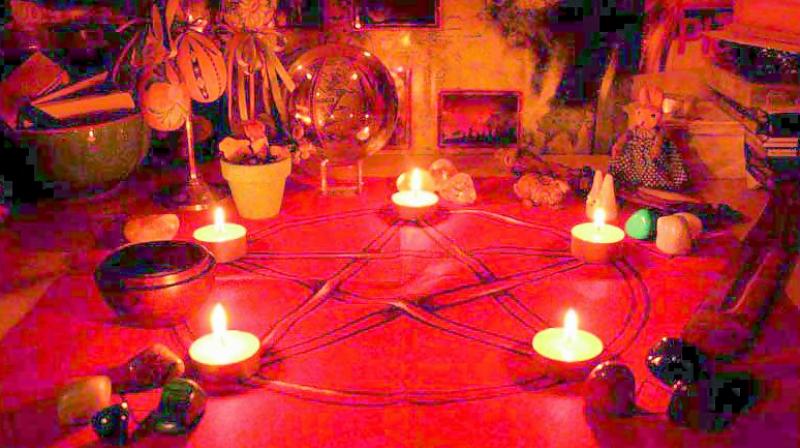
Protective Amulets: Wearing symbols of protection like a cross, Star of David, or pentagram can serve as a barrier against black magic energies.
- Practical Lifestyle Adjustments:
Avoidance: Steer clear of individuals known to practice black magic to prevent their influence .
Professional Support: For those experiencing severe psychological effects, seeking therapy or counseling is advisable to address any emotional distress.
Positive Living:
Engage in activities that uplift your spirit, such as singing, playing music, or visiting sacred places like temples or churches.
Maintain a clean and harmonious living environment to repel negative vibes.
Incorporate Gangajal in your daily hygiene routine for its purifying properties.
Adhering to these measures can provide a comprehensive shield against the adverse effects of Kala Jadu, blending ancient practices with modern lifestyle adjustments. It’s approximately nurturing a nice and strong spiritual, physical, and emotional environment that evidently repels terrible influences.
Cease
Religion and spirituality play a complicated role within the lives of individuals with schizophrenia, influencing their enjoy of the situation in various approaches:
- Effects on Mental Health:
Positive Impact: For some patients, religion and spirituality can instill a sense of hope, purpose, and meaning, serving as effective coping mechanisms.
Negative Impact: Conversely, spiritual despair and delusions or hallucinations with religious content are common, potentially exacerbating the level of psychopathology.
Influence on Treatment:
- Compliance and Outcome:
The influence of religion extends to treatment compliance and outcomes, with spirituality potentially guiding better adherence to therapeutic interventions.
- Cultural Considerations:
Cultural factors significantly affect the expression and management of schizophrenia, necessitating attention from mental health professionals for a holistic treatment approach.
Cultural and Transcultural Variations:
- Epidemiology and Phenomenology:
Culture influences the epidemiology and phenomenology of schizophrenia, affecting consequences and remedy.
- Pharmacokinetics and Psychotherapy:
There are noted transcultural versions in pharmacokinetics, pharmacodynamics, traditional healing practices,
and psychotherapeutic approaches, underlining the significance of culturally sensitive remedy plans.
Positive Use of Cultural Factors:
Leveraging cultural factors positively can enhance coping with symptoms and facilitate recovery, highlighting the need for continuous research on both cultural and biological aspects of severe mental illnesses. Understanding the nuanced interplay between religion, spirituality, and culture in schizophrenia is crucial for developing effective, personalized treatment plans that consider the patient’s background and beliefs.